01 / Scene readability
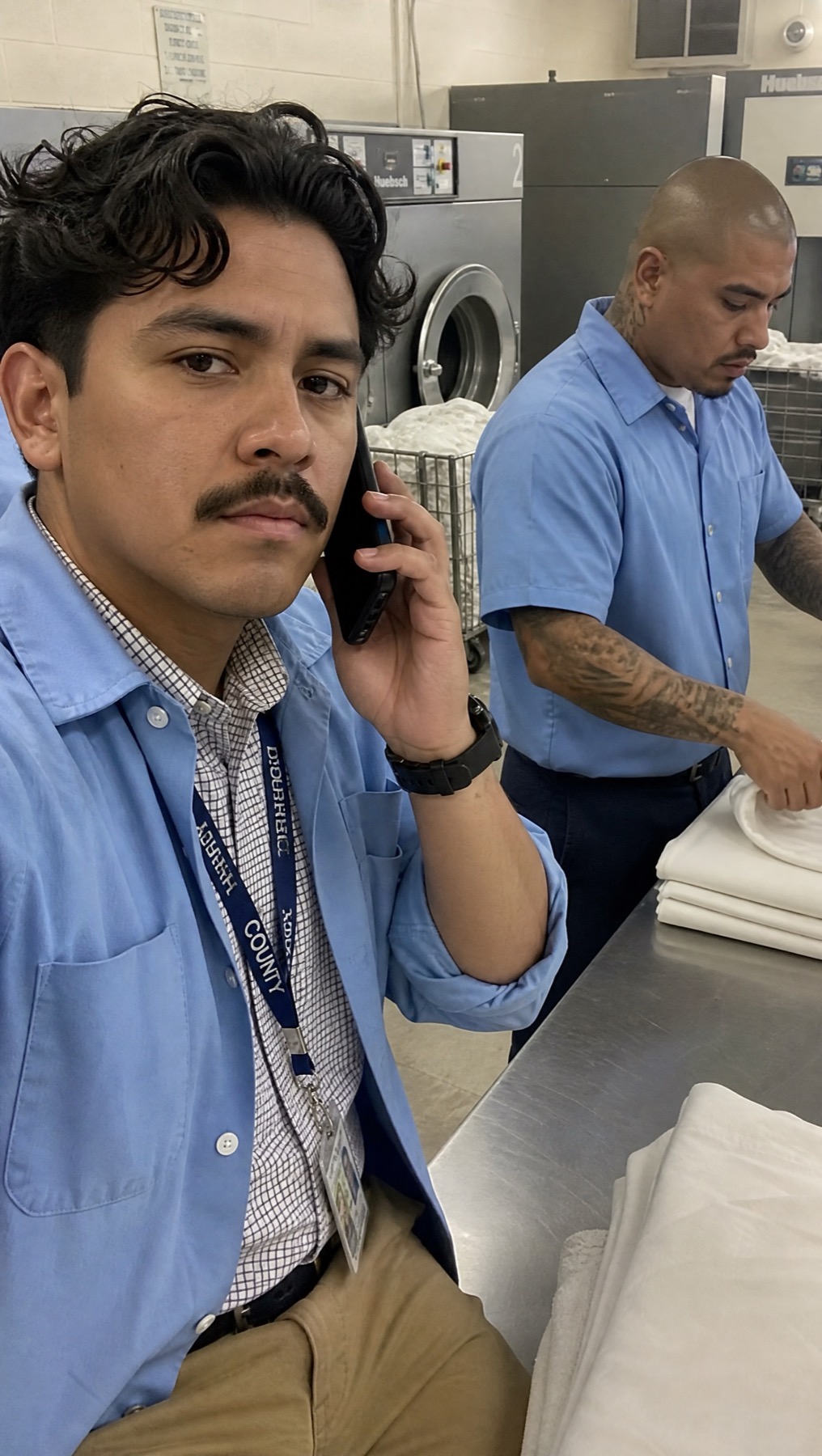
The phone made the scene feel like a selfie.
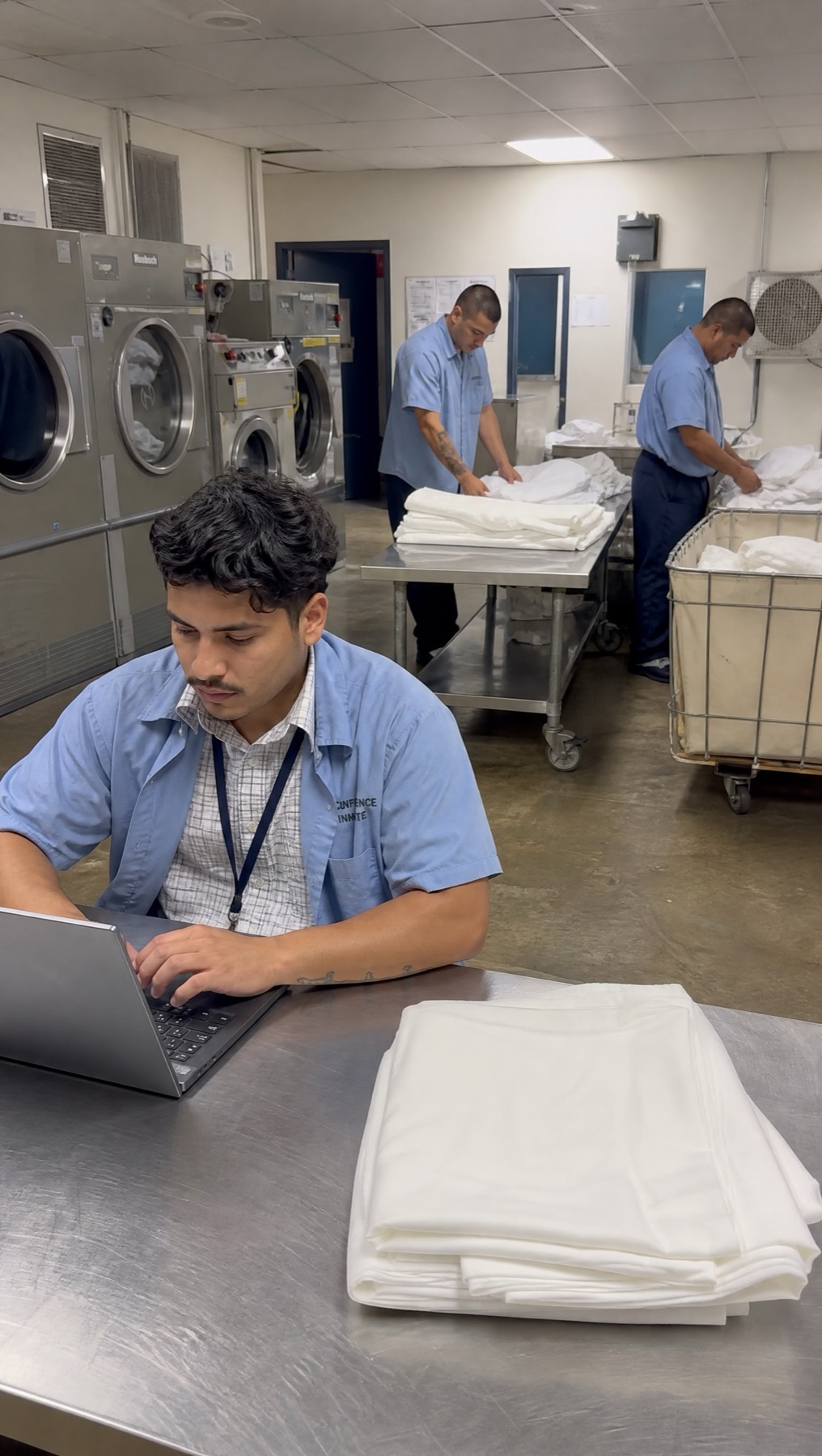
I changed the action to laptop work and moved the camera back. The wider frame makes the laundry room and the work story clear right away.
AI image + video production case study
Most of the work happened after the first render. I compared versions and changed the direction when something broke. Sometimes that meant a wider image. Sometimes it meant splitting one video into two.
My role: I planned the coverage and directed revisions. Nothing moved into the edit until I reviewed it.
The production decision
If a shirt looked like denim in the source image, the video carried that mistake forward. The same was true for faces, room layout, props, and framing. I approved the still first so the video rounds could focus on movement.
That saved some wasted attempts, but video brought its own problems. People moved too slowly. A pan went the wrong way. Two reference images fought each other. Those issues only showed up once the scene moved.
Still-image decisions
These weren't cosmetic tweaks. Each change made the action or setting easier to understand.
01 / Scene readability
I changed the action to laptop work and moved the camera back. The wider frame makes the laundry room and the work story clear right away.
02 / Composition
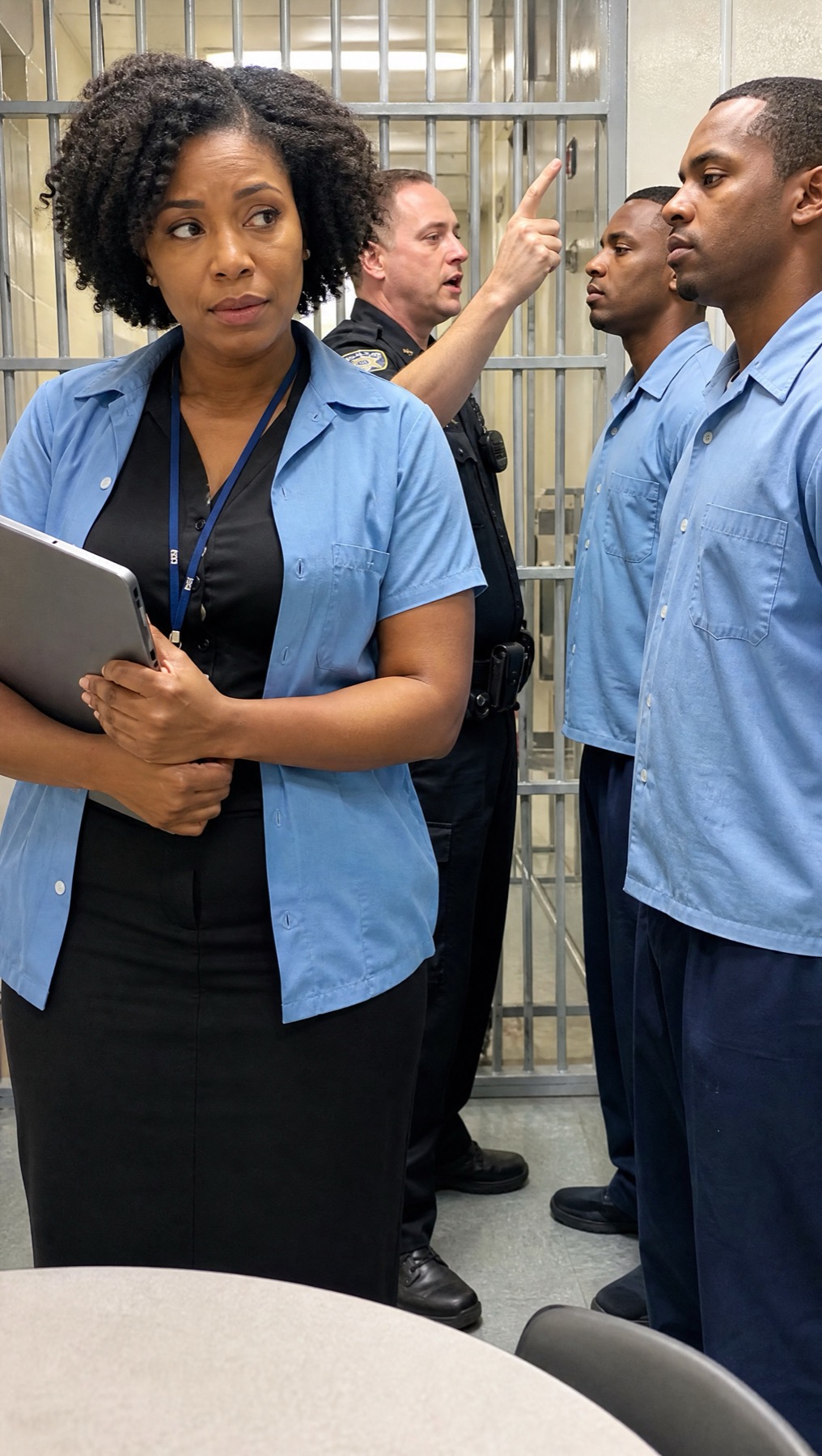
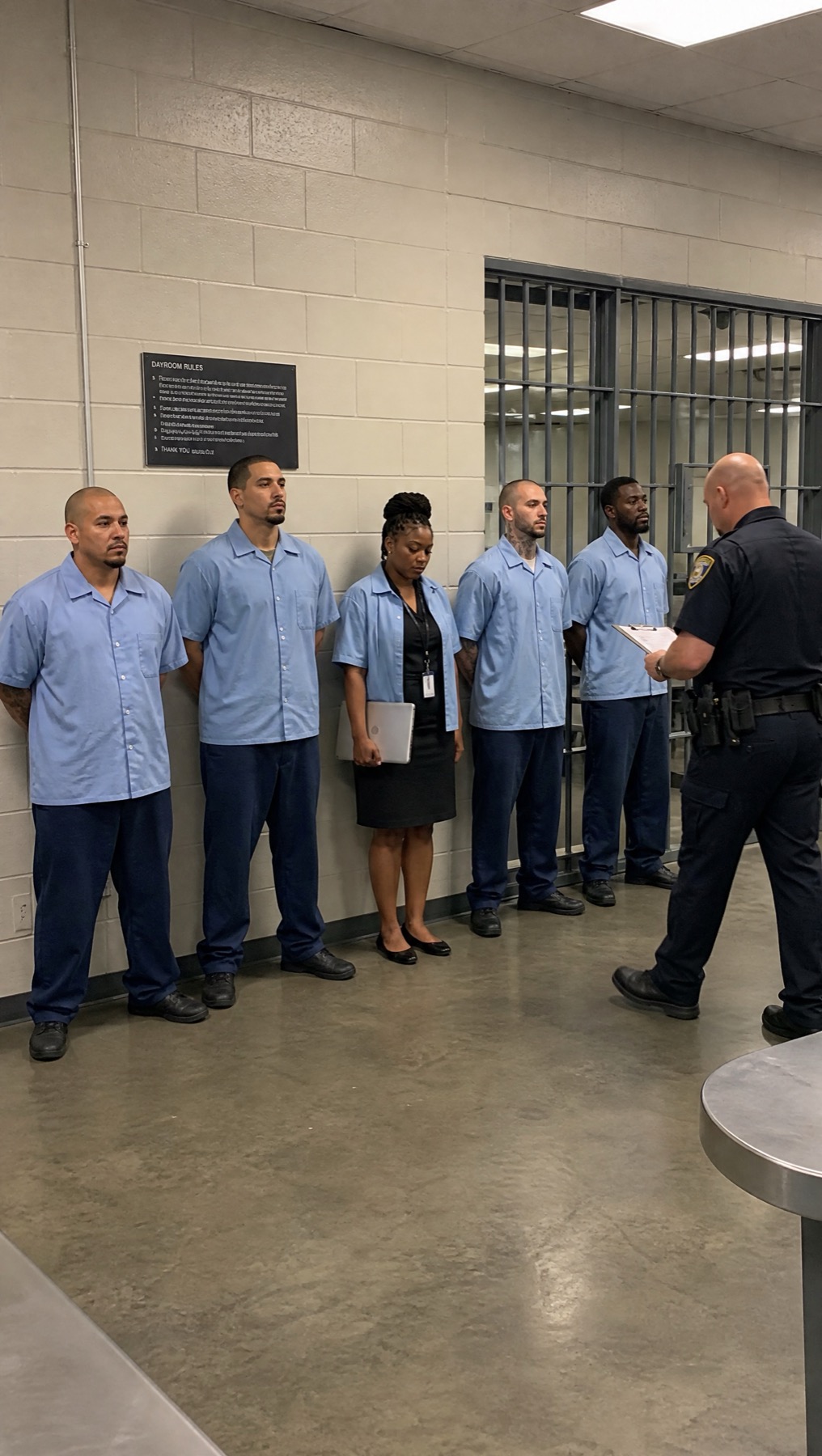
The first image focused on a few faces. Moving back put the officer and the full line in the same frame, so the action made sense without an explanation.
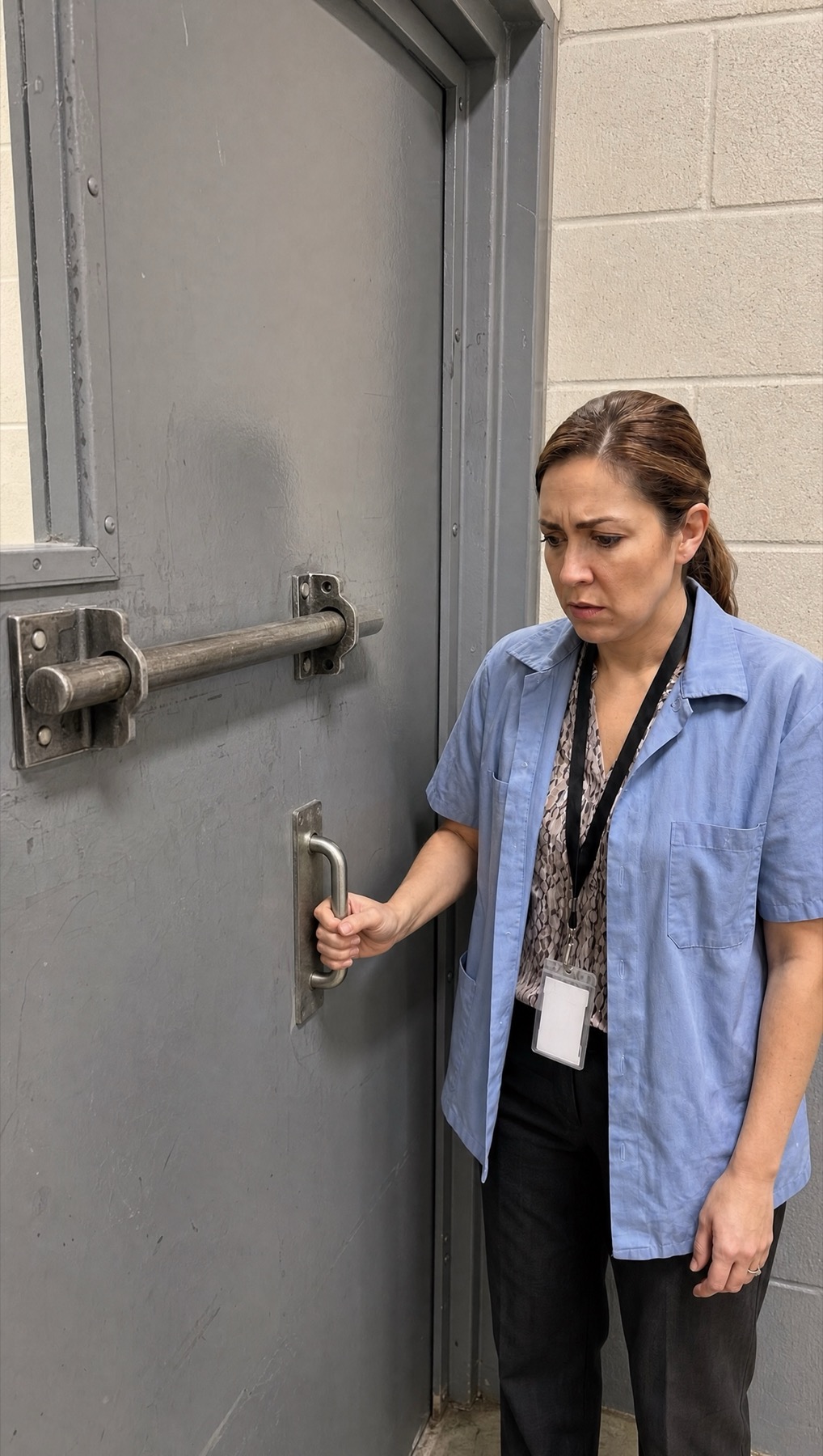
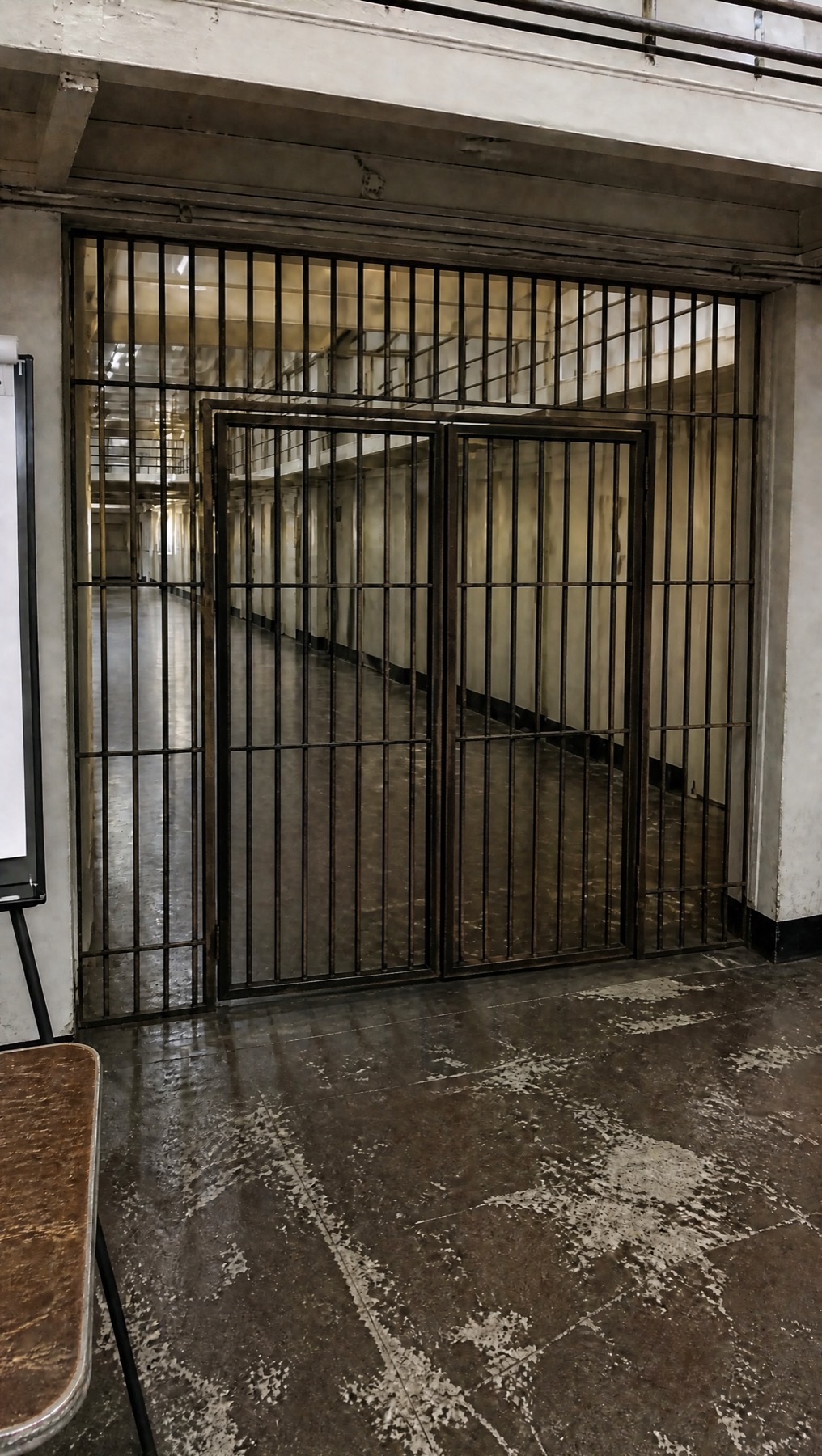
03 / Story logic
The image was supposed to communicate confinement, but the person inside could reach the release mechanism. I replaced it with a secured institutional gate.
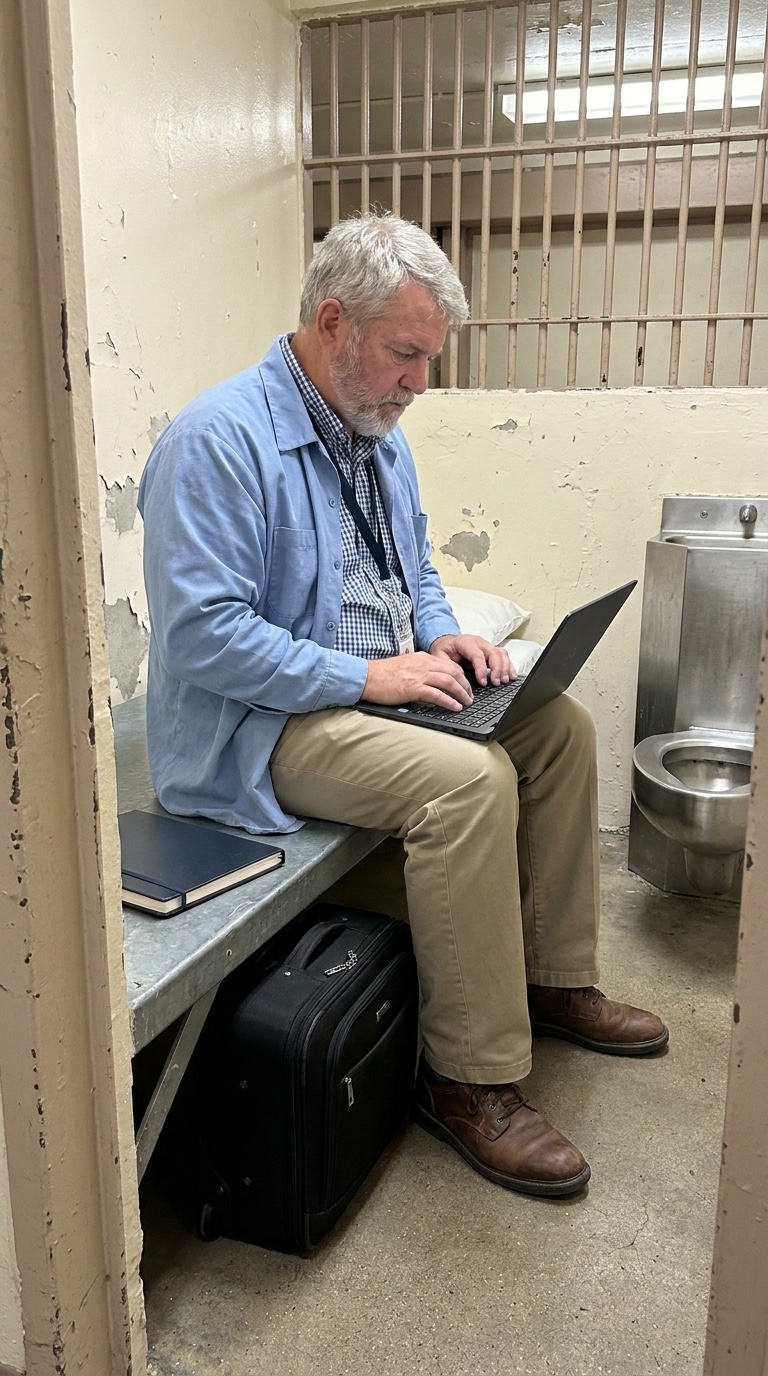
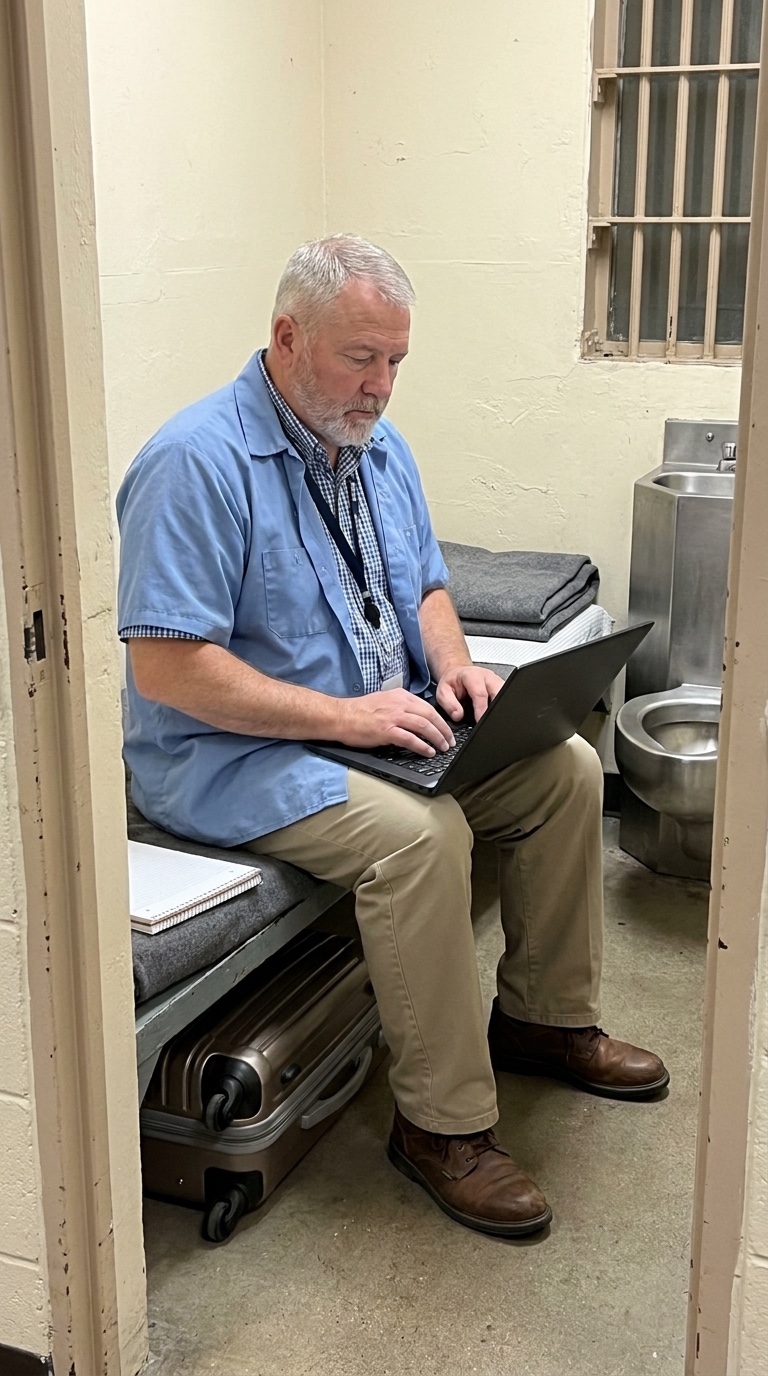
04 / Wardrobe continuity
I kept the employee working from the bunk, along with the laptop and cell setting, then corrected the overshirt to match the approved short-sleeve wardrobe.
Fix it at the source
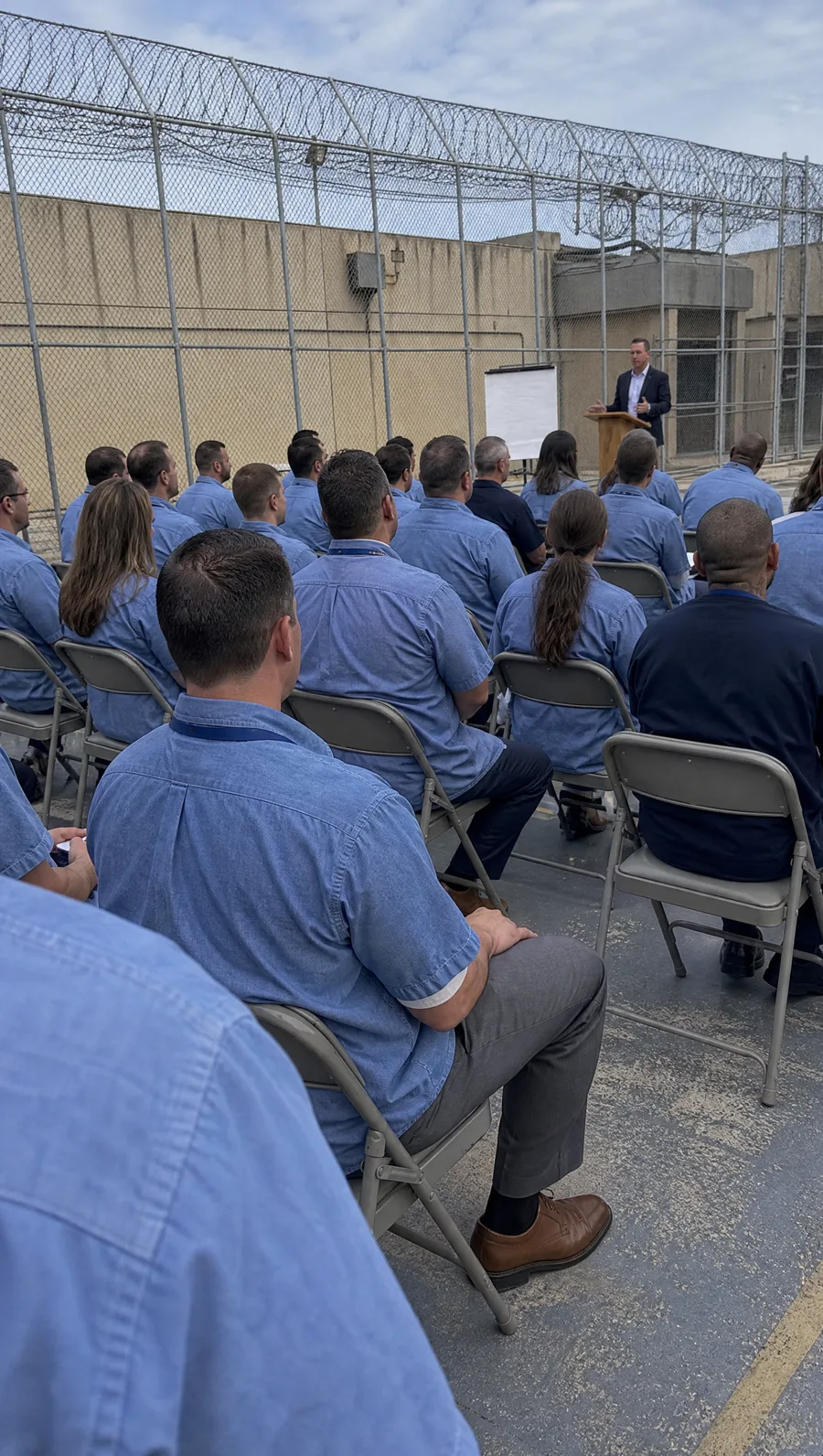
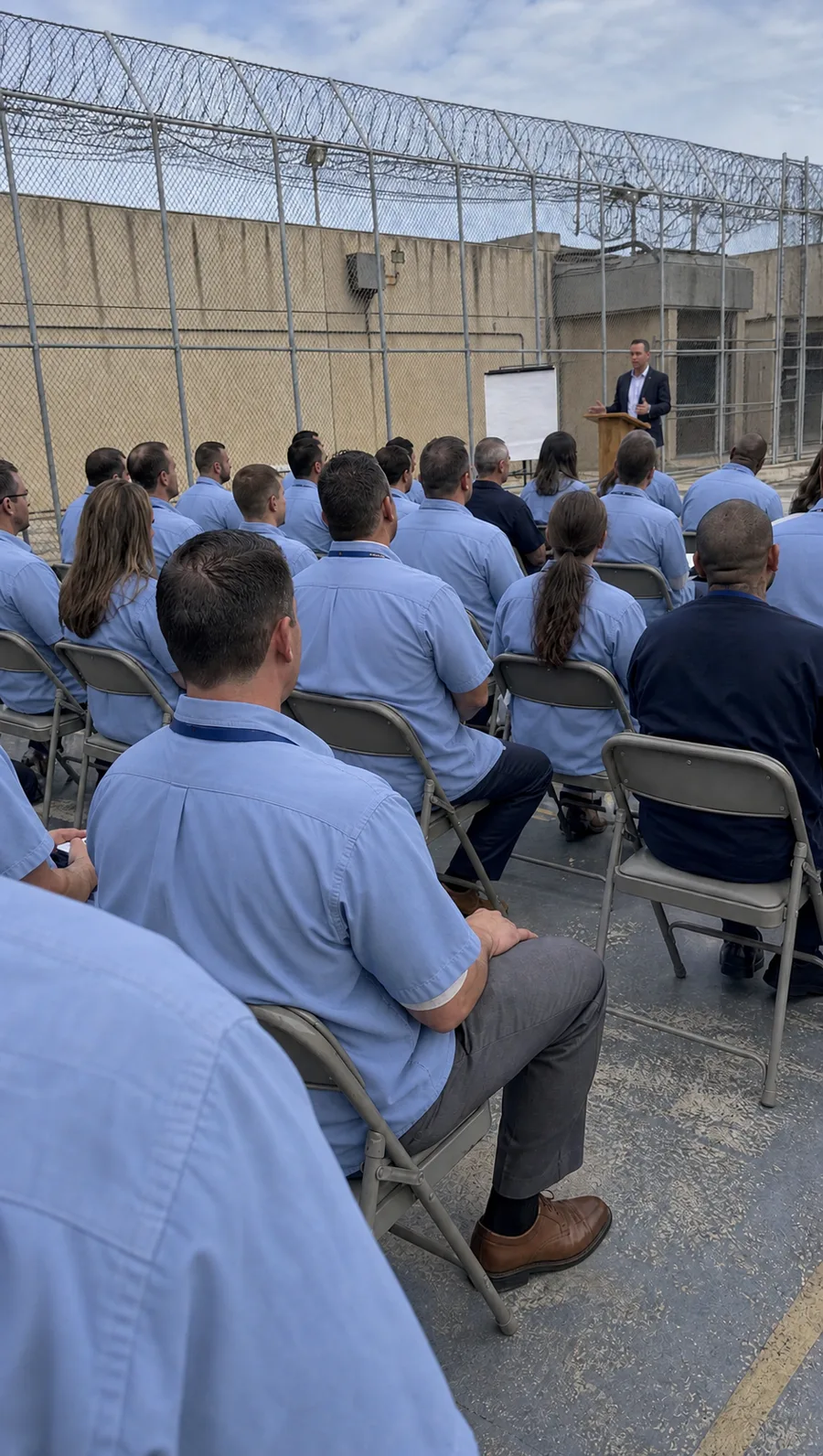
The first audience image had the wrong fabric. Asking the video model to repair it would have added another guess, so I corrected the image and used that version for the rerun.
Video decisions
A clean still didn't guarantee a usable video. These are the actual attempts next to the versions I kept.
01 / Camera reaction
The straight walk felt mechanical. In the next version, he gestures toward the person filming. The camera jolts in response, which makes the moment feel connected instead of programmed.
02 / Gym background
I had piled on a reveal, a second reference, and detailed directions for the exercises. The approved version stayed on the note-taker, gave him one glance up, and let the inmates in back keep working out.
03 / Yard movement
The first direction called out one dumbbell curl and froze too much around it. I replaced that with a broad instruction for everyone to keep exercising, plus one clear left pan.
04 / Whiteboard room
I kept the whiteboard room as the only image and described the barred exit, hallway, and guards in words. That produced a cleaner move than supplying both endpoints.
05 / Shuttle reveal
The early version panned the wrong way and the second reference pulled the scene into a different shuttle interior. After many attempts, I stopped asking one clip to handle the whole move. Two short clips worked. This family had 19 completed generations and one failed render.
06 / Reading pace
The seven-second version used fewer actions. One page turn, then a natural glance up. That gave the moment enough time without making it feel slow.
07 / First frame
I gave the rerun one more second and a simpler action. Because both changed, I can't claim which one fixed it.
08 / Cafeteria reveal
The second reference gave us the tray placement, room reveal, and whisper. The editor still had to cut around the weak part of the transition.
09 / Shirt movement
The first animation treated the overshirt like a long-sleeved garment. I kept the same source image and corrected the dressing action.
10 / Shirt fabric
I corrected the image first, then reran the scene. The rerun also changed how the source was supplied, so I don't treat this as a clean one-variable test.
How to read the labels
I labeled every version after reviewing it.
Evidence reviewed
These are snapshots from the files I recovered. They aren't a complete attempt count or a cost calculation.
I watched each version, wrote down what wasn't working, and changed the direction. Only the images and clips that held up went into the editor's library.